Adnan shahzad

Decoding The Noise: Actionable Trading Signals Emerge

Decoding The Noise: Actionable Trading Signals Emerge

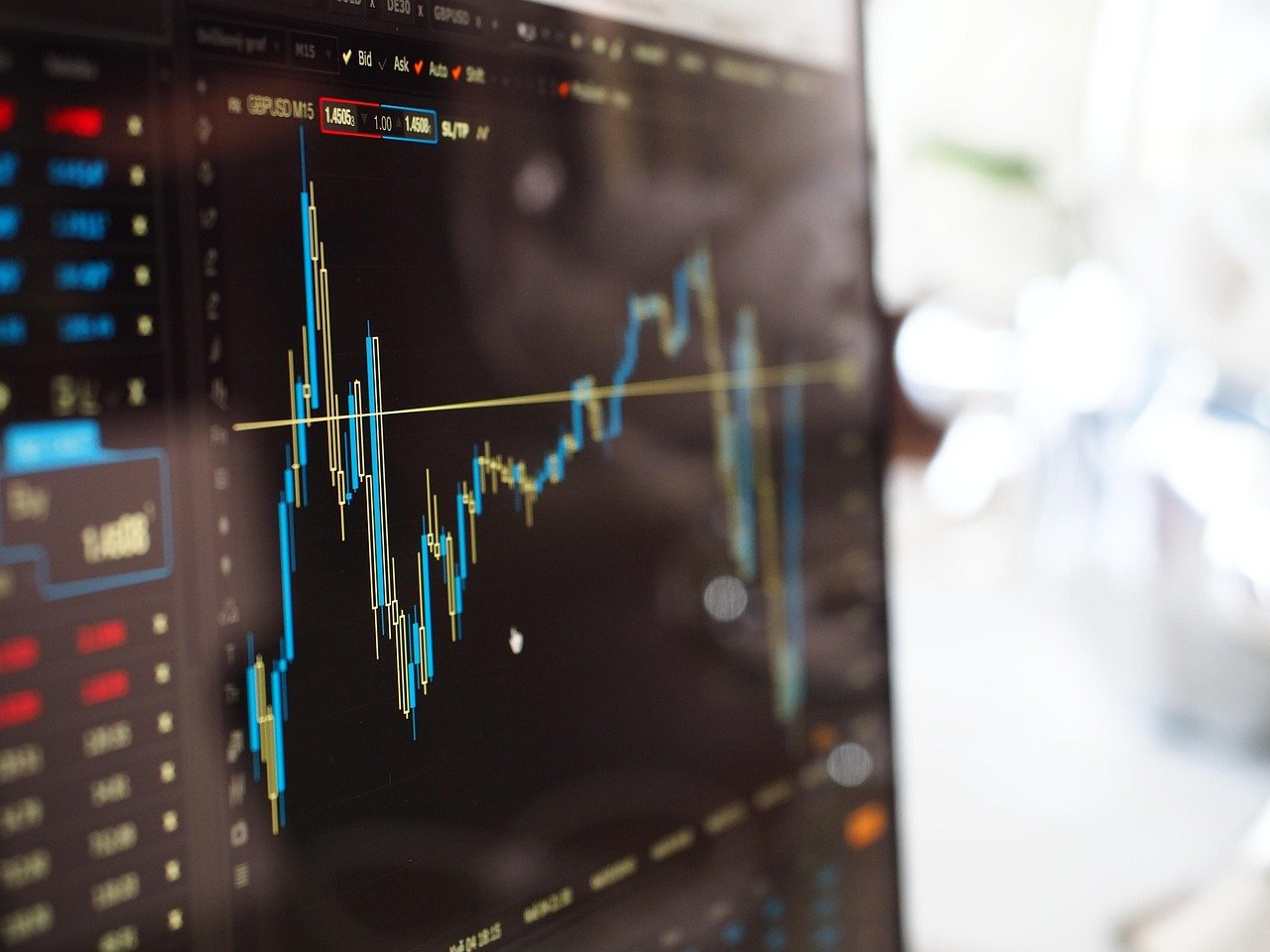
Trading in the financial markets can feel like navigating a complex maze, especially for newcomers. Wouldn’t it be great to have a guide, a signal that points you towards potentially profitable opportunities? That’s precisely what trading signals aim to provide. In this blog post, we’ll delve into the world of trading signals, exploring what they are, how they work, their pros and cons, and how to choose the right one for your trading style.

What are Trading Signals?

Trading signals are essentially suggestions or recommendations for entering and exiting trades in financial markets like forex, stocks, and cryptocurrencies. These signals are generated based on technical analysis, fundamental analysis, or a combination of both, and are designed to identify potential trading opportunities. Think of them as a compass, helping you navigate the vast ocean of market data.

Understanding the Core Components

A typical trading signal contains key information that a trader needs to execute a trade:

  • Asset: The specific financial instrument to trade (e.g., EUR/USD, AAPL).
  • Direction: Whether to buy (go long) or sell (go short).
  • Entry Price: The price at which to enter the trade.
  • Stop Loss: The price level at which to exit the trade if it moves against you, limiting potential losses.
  • Take Profit: The price level at which to exit the trade with a profit.

For example, a signal might look like this: “Buy EUR/USD at 1.1000, Stop Loss at 1.0980, Take Profit at 1.1050.” This means the signal provider recommends buying the EUR/USD currency pair at a price of 1.1000, with a stop loss order placed at 1.0980 to protect against a potential price decline, and a take profit order placed at 1.1050 to secure profits if the price moves favorably.

How Signals are Generated

Trading signals are generated using various analytical methods:

  • Technical Analysis: This involves analyzing historical price charts and using indicators like Moving Averages, RSI (Relative Strength Index), MACD (Moving Average Convergence Divergence), and Fibonacci retracements to identify patterns and potential trading opportunities.
  • Fundamental Analysis: This focuses on economic and financial factors that can influence the value of an asset, such as economic news releases, company earnings reports, and geopolitical events.
  • Algorithmic Trading (Bots): Sophisticated computer programs use pre-defined rules and algorithms to automatically generate trading signals based on market data.
  • Expert Analysis: Experienced traders and analysts manually analyze market conditions and provide their insights and recommendations.

Benefits and Drawbacks of Using Trading Signals

Trading signals can be a valuable tool for both novice and experienced traders, but it’s crucial to understand their advantages and disadvantages.

Advantages:

  • Time-Saving: Signals can save traders significant time by automating the process of market analysis and identifying potential trading opportunities. Instead of spending hours poring over charts, you receive actionable recommendations.
  • Improved Decision-Making: Signals can provide objective trading recommendations, reducing the impact of emotions on trading decisions. Fear and greed are common pitfalls in trading, and signals can help you stick to a defined strategy.
  • Learning Opportunity: By observing the signals and analyzing their performance, traders can learn about different trading strategies and improve their own analytical skills.
  • Access to Expertise: Signals allow traders to leverage the expertise of experienced analysts or sophisticated algorithms, which may be particularly beneficial for those who lack the time or knowledge to conduct their own in-depth research.
  • Trading Discipline: Signals can enforce a defined trading plan, including entry and exit points, helping traders to maintain discipline and avoid impulsive decisions.

Disadvantages:

  • No Guarantee of Profit: Trading signals are not a foolproof path to riches. The market is inherently unpredictable, and even the best signals can result in losses.
  • Risk of Scams: There are many unreliable signal providers who promise unrealistic returns. It’s crucial to do your due diligence before subscribing to any signal service. Look for verifiable track records and independent reviews.
  • Dependence on Others: Relying solely on trading signals can hinder the development of your own trading skills and analytical abilities. It’s important to view signals as a tool to supplement your own knowledge, not a complete replacement.
  • Latency Issues: The timing of signal delivery can be critical. Delays in receiving a signal can reduce its effectiveness, especially in fast-moving markets.
  • Lack of Customization: Many signal services offer generic signals that may not be tailored to your specific risk tolerance or trading style.

Choosing the Right Trading Signal Provider

Selecting a reliable trading signal provider is crucial for maximizing your chances of success. Here are some factors to consider:

Research and Due Diligence

  • Track Record: Look for providers with a proven track record of generating profitable signals over a significant period. Be wary of providers who only present cherry-picked results or short-term performance data. Ideally, the track record should be independently verified.
  • Transparency: A reputable provider will be transparent about their methodology and how their signals are generated. They should also provide clear information about their past performance, including both winning and losing trades.
  • Reviews and Reputation: Check online reviews and forums to see what other traders are saying about the provider. Look for independent reviews from reputable sources.
  • Risk Management: A good signal provider will emphasize risk management and provide clear stop-loss and take-profit levels for each signal.

Trial Periods and Pricing

  • Free Trials: Many providers offer free trials or demo accounts that allow you to test their signals before committing to a paid subscription. This is a great way to evaluate the quality and effectiveness of their signals.
  • Pricing Structure: Understand the pricing structure and any associated fees. Be wary of providers who charge exorbitant fees or promise unrealistic returns. Compare the pricing of different providers and choose one that fits your budget and trading style.
  • Subscription Terms: Carefully review the subscription terms and conditions before signing up. Make sure you understand the cancellation policy and any limitations on the use of the signals.

Signal Delivery and Support

  • Delivery Method: Consider how the signals are delivered (e.g., email, SMS, app). Choose a method that is convenient and reliable for you.
  • Customer Support: Evaluate the quality of customer support. A good provider will offer responsive and helpful support to address any questions or issues you may have.
  • Signal Frequency: Determine how many signals are sent per day/week/month. Too few and you might miss opportunities; too many and you might over-trade.

Integrating Trading Signals into Your Strategy

Trading signals should be integrated into your overall trading strategy, not relied upon as a standalone solution.

Risk Management is Paramount

  • Position Sizing: Determine the appropriate position size for each trade based on your risk tolerance and account size. Never risk more than a small percentage of your capital on any single trade (e.g., 1-2%).
  • Stop-Loss Orders: Always use stop-loss orders to limit your potential losses. The stop-loss level provided by the signal provider should be adjusted based on your own risk tolerance and market conditions.
  • Diversification: Diversify your portfolio by trading different assets and using different trading strategies. Avoid putting all your eggs in one basket.

Combining Signals with Your Own Analysis

  • Confirmation: Don’t blindly follow every signal you receive. Confirm the signal with your own technical or fundamental analysis before entering the trade. Look for confluence between the signal and your own analysis.
  • Adaptation: Adapt the signals to your own trading style and risk tolerance. Adjust the entry price, stop-loss level, or take-profit level based on your own assessment of the market.
  • Learning: Use the signals as a learning tool to improve your own trading skills. Analyze the signals and their performance to identify patterns and improve your understanding of the market.

Example Scenario

Let’s say you receive a trading signal to buy Apple (AAPL) at $170, with a stop-loss at $168 and a take-profit at $175. Before executing the trade, you perform your own technical analysis. You notice that AAPL is trading near a key support level, and the RSI is indicating oversold conditions. This confirms the buy signal and gives you more confidence in the trade. You decide to adjust the stop-loss slightly lower to $167.50 to account for potential price volatility. You execute the trade and monitor its performance.

Conclusion

Trading signals can be a valuable tool for traders of all levels, but they are not a magic bullet. Success requires careful selection of a reliable provider, proper risk management, and integration of signals into your own trading strategy. Remember to always do your own research, confirm signals with your own analysis, and never risk more than you can afford to lose. By approaching trading signals with a critical and informed perspective, you can significantly improve your chances of achieving your financial goals.

Decoding The Noise: Actionable Trading Signals Emerge Read More »

Beyond Budgets: Crafting A Life-Aligned Financial Plan

Beyond Budgets: Crafting A Life-Aligned Financial Plan

Embarking on a journey toward financial security can seem daunting, but with the right plan, it’s an achievable goal for everyone. Financial planning isn’t just for the wealthy; it’s a crucial process for individuals and families at all income levels. It involves setting financial goals, assessing your current financial situation, and developing a roadmap to achieve those goals. Whether you dream of early retirement, buying a home, or simply managing your debt more effectively, a solid financial plan is your key to success. Let’s dive into the core elements of effective financial planning.

Understanding Your Current Financial Situation

Assessing Your Income and Expenses

The first step in financial planning is to understand exactly where your money is coming from and where it’s going.

  • Track your income: This includes your salary, wages, bonuses, investment income, and any other sources of revenue. Be realistic and accurate.
  • Track your expenses: Use budgeting apps, spreadsheets, or even a notebook to record every expense. Categorize your spending into fixed expenses (rent, mortgage, insurance) and variable expenses (food, entertainment, clothing).
  • Calculate your net worth: This is the difference between your assets (what you own – e.g., savings, investments, property) and your liabilities (what you owe – e.g., loans, credit card debt). A positive net worth is a good sign, but tracking it over time is even more important.
  • Example: Imagine you earn $5,000 per month after taxes, and your monthly expenses total $4,000. This leaves you with $1,000 to save or invest. Understanding this surplus is crucial for setting realistic financial goals. If you have significant credit card debt, a portion of that surplus should be directed towards paying it down.

Analyzing Your Debt

Debt can significantly hinder your financial progress. Understanding the types of debt you have and their associated interest rates is crucial.

  • List all your debts: Include credit cards, student loans, mortgages, and personal loans.
  • Identify interest rates: High-interest debt, like credit card debt, should be prioritized.
  • Develop a debt repayment strategy: Consider the debt avalanche method (paying off the highest interest debt first) or the debt snowball method (paying off the smallest debt first for quick wins).
  • Example: You have $5,000 in credit card debt at 18% interest and $10,000 in student loans at 6% interest. Using the debt avalanche method, you would aggressively pay down the credit card debt first, saving you significantly on interest charges in the long run.

Setting Meaningful Financial Goals

Identifying Short-Term, Mid-Term, and Long-Term Goals

Financial goals provide direction and motivation for your financial planning efforts. Categorize your goals based on their time horizon.

  • Short-Term Goals (0-3 years): Emergency fund, paying off small debts, saving for a vacation.
  • Mid-Term Goals (3-10 years): Buying a car, making a down payment on a house, paying off student loans.
  • Long-Term Goals (10+ years): Retirement planning, funding your children’s education, building wealth.

Making SMART Goals

Make sure your goals are Specific, Measurable, Achievable, Relevant, and Time-bound.

  • Specific: Instead of “save more money,” aim for “save $500 per month for a down payment on a house.”
  • Measurable: Define how you will track your progress.
  • Achievable: Set realistic goals based on your current income and expenses.
  • Relevant: Ensure your goals align with your values and priorities.
  • Time-bound: Set a deadline for achieving your goal.
  • Example: “Save $10,000 for a down payment on a house within 2 years by saving $417 per month.” This SMART goal is clear, measurable, achievable, relevant to homeownership, and has a specific timeframe.

Developing a Budget and Savings Plan

Creating a Budget

A budget is a roadmap for your money. It helps you control your spending and allocate funds towards your financial goals.

  • Zero-Based Budget: Allocate every dollar of income to a specific purpose.
  • 50/30/20 Budget: Allocate 50% of your income to needs, 30% to wants, and 20% to savings and debt repayment.
  • Envelope System: Use cash for specific categories to limit spending.

Automating Savings

Automating your savings makes it easier to consistently save money.

  • Set up automatic transfers: Schedule regular transfers from your checking account to your savings or investment accounts.
  • Take advantage of employer retirement plans: Contribute enough to your 401(k) to maximize employer matching.
  • Use apps to round up purchases: Apps like Acorns round up your purchases and invest the spare change.
  • Example: Set up an automatic transfer of $200 from your checking account to a high-yield savings account every month. This small, consistent contribution can significantly grow your savings over time.

Investing for the Future

Understanding Different Investment Options

Investing is crucial for growing your wealth over the long term. Understand the risk and return profiles of different investment options.

  • Stocks: Offer high potential returns but also carry higher risk.
  • Bonds: Generally considered less risky than stocks, providing a more stable return.
  • Mutual Funds: A diversified portfolio of stocks, bonds, or other assets.
  • Exchange-Traded Funds (ETFs): Similar to mutual funds but trade like stocks.
  • Real Estate: Can provide rental income and potential appreciation.

Diversifying Your Portfolio

Diversification reduces risk by spreading your investments across different asset classes.

  • Allocate assets based on your risk tolerance and time horizon: Younger investors with a longer time horizon can typically allocate a larger portion of their portfolio to stocks.
  • Invest in a mix of stocks, bonds, and other assets: This helps to cushion your portfolio against market volatility.
  • Example: A 30-year-old with a long-term investment horizon might allocate 80% of their portfolio to stocks and 20% to bonds, while a 60-year-old nearing retirement might allocate 50% to stocks and 50% to bonds to reduce risk.

Protecting Your Finances

Importance of Insurance

Insurance protects you from financial losses due to unexpected events.

  • Health Insurance: Covers medical expenses.
  • Life Insurance: Provides financial support to your beneficiaries in the event of your death.
  • Disability Insurance: Replaces a portion of your income if you become disabled and unable to work.
  • Homeowner’s/Renter’s Insurance: Protects your home and belongings from damage or theft.
  • Auto Insurance: Covers damages and liabilities related to car accidents.

Estate Planning Basics

Estate planning ensures that your assets are distributed according to your wishes after your death.

  • Will: A legal document that specifies how your assets should be distributed.
  • Power of Attorney: Designates someone to make financial and medical decisions on your behalf if you become incapacitated.
  • Living Trust: A legal entity that holds your assets and allows for easier transfer to your beneficiaries.
  • Example: Having a will in place ensures that your assets are distributed according to your wishes and avoids potential disputes among family members. Regularly reviewing and updating your estate plan is crucial, especially after major life events such as marriage, divorce, or the birth of a child.

Conclusion

Financial planning is an ongoing process that requires commitment and discipline. By understanding your current financial situation, setting meaningful goals, developing a budget and savings plan, investing wisely, and protecting your finances, you can build a secure financial future. Remember to review and adjust your plan regularly as your circumstances change. Taking control of your finances is an empowering step towards achieving your dreams and living a more fulfilling life. Don’t be afraid to seek professional advice from a financial advisor if you need help navigating the complexities of financial planning.

Beyond Budgets: Crafting A Life-Aligned Financial Plan Read More »

The Silent Thief: Interest Rates & Wealth Erosion

The Silent Thief: Interest Rates & Wealth Erosion

Imagine a world where borrowing money was free. Sounds appealing, right? But in reality, interest rates are the engine that drives much of the financial world. They influence everything from the cost of buying a home to the returns on your savings. Understanding how interest rates work is crucial for making informed financial decisions, whether you’re a seasoned investor or just starting to manage your money. This guide provides a comprehensive overview of interest rates, exploring their definition, types, influencing factors, and practical implications.

What Are Interest Rates?

Defining Interest Rates

Interest rates represent the cost of borrowing money, typically expressed as an annual percentage. It’s the price lenders charge for allowing you to use their funds, and conversely, the return you receive when lending your money (e.g., through savings accounts or bonds). Think of it as the “rent” you pay for using someone else’s money.

  • Simple Interest: Calculated only on the principal amount.
  • Compound Interest: Calculated on the principal amount and the accumulated interest from previous periods. This is the magic of long-term investing. For example, if you invest $100 at a 5% annual interest rate, compounded annually, you’ll earn $5 in the first year. In the second year, you’ll earn 5% on $105, resulting in $5.25 in interest.

Why Interest Rates Matter

Interest rates have a profound impact on the economy and your personal finances. They affect:

  • Borrowing Costs: Higher interest rates mean higher monthly payments on loans like mortgages, auto loans, and credit cards.
  • Savings Returns: Higher interest rates generally lead to better returns on savings accounts, CDs, and bonds.
  • Inflation: Central banks use interest rates to control inflation. Raising interest rates can cool down an overheated economy by making borrowing more expensive.
  • Investment Decisions: Interest rates influence investment choices. Higher rates can make bonds more attractive relative to stocks, and vice versa.

Types of Interest Rates

Prime Rate

The prime rate is the benchmark interest rate that commercial banks charge their most creditworthy customers. It’s often used as a base rate for other lending products.

  • How it’s determined: Banks often base their prime rate on the federal funds rate, which is set by the Federal Reserve (the Fed).
  • Impact on consumers: Many loans, particularly variable-rate loans like adjustable-rate mortgages (ARMs), are tied to the prime rate.

Federal Funds Rate

This is the target rate that the Federal Reserve (the Fed) wants banks to charge one another for the overnight lending of reserves. The Fed uses it to influence economic activity.

  • Tools of the Fed: The Fed influences the federal funds rate primarily through open market operations (buying and selling government securities).
  • Impact on the economy: Changes in the federal funds rate ripple through the economy, influencing borrowing costs for businesses and consumers.

Mortgage Rates

Mortgage rates are the interest rates charged on loans used to purchase real estate. They are influenced by various factors, including the federal funds rate, inflation, and investor demand for mortgage-backed securities.

  • Fixed-Rate Mortgages: The interest rate remains constant throughout the loan term, providing predictable monthly payments.
  • Adjustable-Rate Mortgages (ARMs): The interest rate adjusts periodically based on a benchmark index (e.g., the prime rate or the LIBOR/SOFR). ARMs often start with a lower introductory rate, but the rate can fluctuate over time.
  • Practical Example: If you take out a $300,000 fixed-rate mortgage at 6% for 30 years, your monthly payment would be approximately $1,798.65 (excluding property taxes and insurance). A 1% increase in the rate would significantly increase the monthly payment.

Credit Card Interest Rates (APR)

Credit card interest rates, also known as the Annual Percentage Rate (APR), are the interest rates charged on outstanding credit card balances. They are typically much higher than other types of interest rates.

  • Variable APRs: Most credit cards have variable APRs tied to the prime rate.
  • Impact of credit score: Your credit score significantly impacts the APR you’ll receive. The higher your credit score, the lower your APR will likely be.
  • Practical Tip: Always pay your credit card balance in full each month to avoid incurring interest charges.

Factors Influencing Interest Rates

Economic Conditions

The overall health of the economy plays a significant role in determining interest rates.

  • Inflation: High inflation often leads to higher interest rates as central banks try to curb spending and cool down the economy. Conversely, low inflation might lead to lower interest rates.
  • Economic Growth: Strong economic growth typically leads to higher interest rates as demand for borrowing increases. Slower economic growth might lead to lower interest rates to stimulate borrowing and investment.
  • Unemployment: High unemployment can lead to lower interest rates to encourage businesses to hire and consumers to spend.

Central Bank Policies

Central banks, like the Federal Reserve in the United States, play a crucial role in setting monetary policy, which directly impacts interest rates.

  • Open Market Operations: Buying and selling government securities to influence the money supply.
  • Reserve Requirements: The amount of money banks are required to keep in reserve, which affects the amount of money available for lending.
  • Discount Rate: The interest rate at which commercial banks can borrow money directly from the Fed.

Supply and Demand of Credit

The forces of supply and demand also affect interest rates.

  • High Demand: If there’s a high demand for borrowing and a limited supply of funds, interest rates tend to rise.
  • High Supply: If there’s a large supply of funds available for lending and limited demand, interest rates tend to fall.
  • Government Debt: Large amounts of government debt can increase the demand for borrowing, potentially driving up interest rates.

Market Expectations

Market expectations about future inflation and economic growth can also influence interest rates.

  • Investor Sentiment: If investors expect inflation to rise, they will demand higher interest rates to compensate for the erosion of their purchasing power.
  • Term Premium: The difference in yield between long-term and short-term bonds, which reflects investor expectations about future interest rate movements and economic conditions.

How Interest Rates Affect You

Personal Finances

Interest rates have a direct impact on your personal finances.

  • Loans: Higher interest rates mean higher monthly payments on loans, making it more expensive to finance large purchases like homes and cars.
  • Savings: Higher interest rates provide better returns on savings accounts, CDs, and bonds, allowing your money to grow faster.
  • Credit Cards: High credit card interest rates can quickly lead to debt if you carry a balance.
  • Practical Tip: Shop around for the best interest rates on loans and savings accounts. Even a small difference in interest rates can save you a significant amount of money over time.

Investing

Interest rates also affect your investment portfolio.

  • Bonds: Bond prices and interest rates have an inverse relationship. When interest rates rise, bond prices typically fall, and vice versa.
  • Stocks: Higher interest rates can negatively impact stock prices, as they increase borrowing costs for companies and reduce consumer spending.
  • Real Estate: Higher interest rates can cool down the real estate market by making mortgages more expensive, reducing demand, and potentially lowering property values.
  • Practical Example: During periods of low interest rates, consider investing in growth stocks or real estate. During periods of high interest rates, consider investing in bonds or dividend-paying stocks.

Conclusion

Understanding interest rates is fundamental to making sound financial decisions. By grasping the definitions, types, influencing factors, and practical implications of interest rates, you can navigate the financial landscape with greater confidence. Whether you’re borrowing money, saving for retirement, or making investment choices, being informed about interest rates will empower you to achieve your financial goals. Keep an eye on economic indicators, central bank policies, and market trends to stay ahead of the curve and make informed choices.

The Silent Thief: Interest Rates & Wealth Erosion Read More »

Inflations Unexpected Twists: Where Are Prices Headed?

Inflations Unexpected Twists: Where Are Prices Headed?

Inflation, the silent thief that nibbles away at our purchasing power, is a constant topic of discussion for economists, policymakers, and everyday consumers alike. Understanding the current inflation trends is crucial for making informed financial decisions, from planning your budget to understanding the broader economic landscape. Let’s dive into the factors driving inflation, its recent movements, and what might be in store for the future.

Understanding the Basics of Inflation

What is Inflation?

Inflation is defined as the rate at which the general level of prices for goods and services is rising, and subsequently, purchasing power is falling. It is typically expressed as a percentage. A little inflation is considered healthy, as it encourages spending and investment, but too much can be damaging.

  • Demand-Pull Inflation: Occurs when there is more money chasing fewer goods, leading to increased demand and higher prices.
  • Cost-Push Inflation: Arises when the costs of production (e.g., wages, raw materials) increase, pushing businesses to raise prices.
  • Built-In Inflation: Is based on expectations; workers demand higher wages to maintain their living standards, and companies raise prices to cover those wages, creating a self-perpetuating cycle.
  • Example: If a loaf of bread cost $3 last year and costs $3.30 this year, the inflation rate for bread is 10%.

How is Inflation Measured?

The most common measure of inflation in the United States is the Consumer Price Index (CPI), calculated by the Bureau of Labor Statistics (BLS). The CPI tracks the average change over time in the prices paid by urban consumers for a basket of consumer goods and services. Another important measure is the Producer Price Index (PPI), which measures price changes from the perspective of sellers.

  • CPI: Measures the change in prices paid by consumers for a basket of goods and services.
  • Core CPI: Excludes volatile food and energy prices to provide a clearer picture of underlying inflation.
  • PPI: Measures the change in prices received by domestic producers for their output.
  • Example: The CPI includes a wide range of items, from groceries and housing to transportation and medical care, weighted to reflect their importance in the average consumer’s budget.

Recent Inflation Trends: A Rollercoaster Ride

2020-2022: The Pandemic’s Impact and Subsequent Surge

The COVID-19 pandemic and its aftermath created unprecedented economic conditions that significantly impacted inflation.

  • Supply Chain Disruptions: Lockdowns and travel restrictions disrupted global supply chains, leading to shortages of goods and increased prices.
  • Increased Demand: Stimulus checks and low interest rates fueled demand, particularly for durable goods.
  • Labor Shortages: Many industries faced labor shortages, driving up wages and contributing to cost-push inflation.

Between 2020 and 2022, the U.S. experienced a significant surge in inflation, reaching levels not seen in decades. For example, the annual CPI inflation rate peaked at 9.1% in June 2022.

2023-Present: Moderation and Continued Monitoring

Following the peak in 2022, inflation began to moderate. This slowdown has been attributed to several factors:

  • Federal Reserve Actions: The Federal Reserve aggressively raised interest rates to cool down the economy and curb inflation.
  • Easing Supply Chain Bottlenecks: Supply chains began to recover, reducing pressure on prices.
  • Slowing Demand: Higher interest rates and inflation itself began to dampen consumer demand.

While inflation has cooled, it remains above the Federal Reserve’s target of 2%. Core inflation, which excludes volatile food and energy prices, is being closely watched as it provides a more stable indicator of underlying inflationary pressures.

  • Practical Tip: Keep an eye on the monthly CPI and PPI releases from the BLS to stay informed about the latest inflation trends.

Factors Influencing Current Inflation

Global Economic Conditions

The global economic landscape plays a significant role in influencing inflation rates.

  • Geopolitical Events: Events such as the war in Ukraine and trade tensions can disrupt supply chains and energy markets, leading to higher prices.
  • Global Demand: Strong global demand can put upward pressure on prices, particularly for commodities like oil and metals.
  • Exchange Rates: Fluctuations in exchange rates can affect the price of imported goods.
  • Example: The conflict in Ukraine has caused significant disruptions to global energy markets, leading to higher energy prices worldwide, which in turn contributes to inflation.

Monetary and Fiscal Policies

Government policies, particularly monetary and fiscal policies, have a powerful impact on inflation.

  • Monetary Policy: The Federal Reserve uses tools like interest rate adjustments and quantitative easing to influence the money supply and credit conditions.
  • Fiscal Policy: Government spending and taxation policies can impact aggregate demand and inflation.
  • Example: When the Federal Reserve raises interest rates, it becomes more expensive for businesses and consumers to borrow money, which can help to cool down the economy and curb inflation.

Supply Chain Dynamics

The efficiency and resilience of supply chains are critical in managing inflation.

  • Supply Chain Disruptions: Unexpected events like natural disasters or political instability can disrupt supply chains and lead to shortages and higher prices.
  • Globalization: The complexity of global supply chains makes them vulnerable to disruptions.
  • Example: The semiconductor shortage that emerged during the pandemic has impacted the production of cars, electronics, and other goods, leading to higher prices for these items.

Strategies for Managing Inflation’s Impact

For Consumers

Inflation can erode purchasing power, making it more difficult to afford goods and services. Here are some strategies to mitigate its impact:

  • Budgeting: Create a budget to track income and expenses, and identify areas where you can cut back.
  • Investing: Invest in assets that tend to hold their value during inflationary periods, such as real estate, commodities, or inflation-protected securities (TIPS).
  • Negotiating: Negotiate better deals on bills, insurance, and other expenses.
  • Energy Efficiency: Invest in energy-efficient appliances and practices to reduce energy consumption and lower utility bills.
  • Practical Tip: Consider using budgeting apps or spreadsheets to track your spending and identify areas where you can save money.

For Businesses

Businesses also need to adapt to inflationary environments to maintain profitability and competitiveness.

  • Pricing Strategies: Adjust pricing strategies to reflect rising costs, while remaining competitive in the market.
  • Cost Management: Focus on controlling costs by improving efficiency, negotiating better deals with suppliers, and reducing waste.
  • Inventory Management: Optimize inventory levels to avoid overstocking or running out of goods.
  • Wage Adjustments: Consider adjusting wages to attract and retain employees in a competitive labor market, while balancing profitability.
  • Practical Tip: Regularly review your pricing strategies and cost structure to ensure that you are maximizing profitability in an inflationary environment.

Conclusion

Understanding inflation trends is crucial for making informed financial decisions, whether you are a consumer or a business owner. While recent data indicates a moderation in inflation, it remains a significant economic factor that requires careful monitoring. By staying informed about the drivers of inflation and implementing proactive strategies to manage its impact, you can protect your purchasing power and achieve your financial goals. Keeping a close watch on economic indicators, adjusting your spending habits, and considering strategic investments are key steps to navigating the inflationary landscape effectively.

Inflations Unexpected Twists: Where Are Prices Headed? Read More »

Decoding Compliance: Turning Rules Into Revenue

Decoding Compliance: Turning Rules Into Revenue

Navigating the complex world of finance requires more than just strategic planning and investment acumen. It demands a robust framework of financial compliance, a commitment to adhering to laws, regulations, and ethical standards that safeguard your organization and the wider financial ecosystem. Ignorance or negligence in this area can lead to severe penalties, reputational damage, and even criminal charges. This comprehensive guide will delve into the essential aspects of financial compliance, equipping you with the knowledge to build a strong and ethical financial foundation.

Understanding Financial Compliance

Defining Financial Compliance

Financial compliance is the process of adhering to the laws, regulations, policies, and guidelines set by regulatory bodies governing financial activities. It ensures that financial institutions and organizations operate with integrity, transparency, and accountability. This encompasses a wide range of areas, including:

  • Anti-Money Laundering (AML): Preventing the use of the financial system for illegal activities.
  • Securities Regulations: Ensuring fair and transparent trading practices in the stock market.
  • Data Privacy: Protecting sensitive customer information and complying with privacy laws like GDPR or CCPA.
  • Tax Compliance: Accurately reporting and paying taxes according to applicable laws.
  • Accounting Standards: Following generally accepted accounting principles (GAAP) or international financial reporting standards (IFRS) for accurate financial reporting.

The Importance of Financial Compliance

Failing to comply with financial regulations can have dire consequences. Beyond monetary penalties, non-compliance can lead to:

  • Reputational Damage: Loss of trust from customers, investors, and the public.
  • Legal Action: Lawsuits and criminal charges against individuals and the organization.
  • Operational Disruptions: Suspension of business licenses and restrictions on financial activities.
  • Financial Losses: Fines, legal fees, and decreased investment.
  • Increased Scrutiny: Heightened regulatory oversight and audits.
  • Example: A bank that fails to implement adequate AML controls might face significant fines and be subject to a consent order, requiring them to overhaul their compliance program.

Key Elements of a Financial Compliance Program

Risk Assessment

A robust compliance program begins with a thorough risk assessment. This involves identifying and evaluating the specific financial risks your organization faces, considering factors such as:

  • Industry: Certain industries, like banking or securities trading, are inherently more regulated.
  • Size and Complexity: Larger and more complex organizations have greater regulatory obligations.
  • Geographic Location: Different jurisdictions have varying financial regulations.
  • Products and Services: The types of financial products and services offered can influence compliance requirements.
  • Customer Base: High-risk customers, such as politically exposed persons (PEPs), require enhanced due diligence.
  • Actionable Takeaway: Conduct a comprehensive risk assessment at least annually, or more frequently if there are significant changes in your business operations or regulatory landscape. Document the assessment process and findings.

Policies and Procedures

Based on the risk assessment, develop clear and comprehensive policies and procedures to mitigate identified risks. These should cover all relevant areas of financial compliance and provide detailed guidance to employees.

  • Document all policies: Ensure policies are readily accessible and easy to understand.
  • Regularly review and update: Policies should be reviewed and updated regularly to reflect changes in regulations and best practices.
  • Communicate effectively: Make sure all employees are aware of and understand the policies and procedures.
  • Example: A company policy on insider trading should clearly define what constitutes insider information, prohibit trading on such information, and outline the consequences of violating the policy.

Training and Education

Effective training is crucial for ensuring that employees understand their compliance responsibilities. Training programs should be tailored to the specific roles and responsibilities of employees and should cover relevant regulations and policies.

  • Regular training sessions: Conduct periodic training sessions on compliance topics.
  • Tailored training: Customize training programs to specific roles and responsibilities.
  • Document training: Maintain records of all training activities.
  • Example: A financial institution might provide specialized AML training to employees in customer-facing roles, focusing on identifying and reporting suspicious activity.

Monitoring and Enforcement

Internal Controls

Establish strong internal controls to monitor compliance with policies and procedures. This includes implementing systems and processes to detect and prevent violations.

  • Segregation of duties: Separate responsibilities to prevent fraud and errors.
  • Authorization and approval processes: Implement procedures for authorizing and approving financial transactions.
  • Reconciliation of accounts: Regularly reconcile accounts to identify discrepancies.
  • Independent reviews: Conduct independent reviews of compliance activities.
  • Example: A company might implement a dual-signature requirement for all wire transfers exceeding a certain amount to prevent unauthorized transactions.

Audits and Reviews

Conduct regular internal and external audits to assess the effectiveness of your compliance program. Audits should be conducted by qualified professionals who are independent of the activities being reviewed.

  • Internal audits: Conducted by internal audit staff.
  • External audits: Conducted by independent audit firms.
  • Document findings: Document audit findings and recommendations.
  • Implement corrective actions: Take prompt corrective action to address any identified deficiencies.

Reporting and Whistleblowing

Establish clear procedures for reporting suspected violations of policies or regulations. Create a safe and confidential environment for employees to report concerns without fear of retaliation.

  • Anonymous reporting channels: Provide anonymous reporting channels for employees.
  • Protection for whistleblowers: Protect whistleblowers from retaliation.
  • Investigate reports promptly: Investigate all reports of suspected violations promptly and thoroughly.
  • Take corrective action: Take appropriate corrective action based on the findings of the investigation.

Leveraging Technology for Compliance

Automation and Efficiency

Technology plays a vital role in streamlining compliance processes and improving efficiency. Compliance software can automate tasks such as:

  • Transaction monitoring: Detecting suspicious transactions.
  • Customer due diligence: Screening customers against sanctions lists and PEP databases.
  • Regulatory reporting: Automating the preparation and submission of regulatory reports.
  • Data analytics: Analyzing data to identify compliance risks and trends.
  • Example: Using AML software to automatically screen transactions against watchlists can significantly reduce the manual effort required to identify potentially suspicious activity.

Data Security and Privacy

Compliance with data privacy regulations like GDPR and CCPA is essential. Implement robust security measures to protect sensitive customer information, including:

  • Encryption: Encrypting data both in transit and at rest.
  • Access controls: Restricting access to data based on roles and responsibilities.
  • Data loss prevention (DLP): Implementing DLP tools to prevent data breaches.
  • Incident response plan: Developing a plan for responding to data breaches.
  • Actionable Takeaway: Invest in technology solutions that can automate compliance processes, improve data security, and enhance overall efficiency. Ensure that your technology infrastructure complies with relevant data privacy regulations.

Staying Updated on Regulatory Changes

Continuous Monitoring

The regulatory landscape is constantly evolving. It’s crucial to stay informed about changes in laws, regulations, and industry best practices.

  • Subscribe to regulatory alerts: Subscribe to alerts from regulatory bodies and industry associations.
  • Attend industry conferences: Attend conferences and webinars to learn about the latest compliance developments.
  • Engage with regulatory experts: Consult with legal counsel and compliance consultants to stay informed.
  • Example: Financial institutions should regularly monitor updates from regulatory bodies such as the Financial Crimes Enforcement Network (FinCEN) and the Securities and Exchange Commission (SEC) to ensure compliance with the latest regulations.

Adapting to Change

Be prepared to adapt your compliance program to reflect changes in the regulatory landscape. This may involve:

  • Updating policies and procedures: Revising policies and procedures to comply with new regulations.
  • Providing additional training: Training employees on new compliance requirements.
  • Implementing new technology solutions: Adopting new technology solutions to address emerging risks.

Conclusion

Financial compliance is not merely a set of rules to be followed; it’s a fundamental principle that underpins the integrity and stability of the financial system. By understanding the key elements of a robust compliance program, leveraging technology, and staying informed about regulatory changes, organizations can mitigate risks, protect their reputation, and build a sustainable financial future. Embrace a culture of compliance, where ethical behavior and adherence to regulations are not just requirements, but core values that guide every decision and action. This commitment to financial compliance is an investment in long-term success and a testament to your organization’s dedication to responsible financial practices.

Decoding Compliance: Turning Rules Into Revenue Read More »

Beyond Budgeting: Building Generational Wealth Skills

Beyond Budgeting: Building Generational Wealth Skills

Imagine navigating life without a map. That’s what it’s like facing the complexities of personal finance without financial literacy. It’s more than just knowing how to balance a checkbook; it’s about understanding how money works in the world, how to manage it effectively, and how to make informed decisions to secure your financial future. Developing strong financial literacy skills is crucial for everyone, regardless of income level, to achieve long-term financial well-being.

Understanding the Fundamentals of Financial Literacy

What is Financial Literacy?

Financial literacy encompasses a wide range of skills and knowledge related to managing money. It’s the ability to understand and effectively use various financial skills, including:

  • Budgeting
  • Saving
  • Investing
  • Debt management
  • Understanding credit scores
  • Retirement planning

A financially literate person can make informed decisions about their money and take control of their financial life. According to a recent study by the FINRA Investor Education Foundation, only 34% of Americans can correctly answer basic financial literacy questions, highlighting the significant need for improved financial education.

Why is Financial Literacy Important?

Financial literacy provides individuals with the necessary tools to navigate the complex financial landscape and make sound financial decisions. Without it, people are more susceptible to:

  • Accumulating excessive debt
  • Falling prey to predatory lending practices
  • Making poor investment choices
  • Lacking a secure retirement plan
  • Experiencing financial stress and anxiety

By increasing your financial literacy, you gain control over your finances and can work towards achieving your financial goals, such as buying a home, starting a business, or securing a comfortable retirement.

Budgeting and Saving: The Cornerstone of Financial Stability

Creating a Budget that Works for You

Budgeting is the foundation of sound financial management. It allows you to track your income and expenses, identify areas where you can save money, and allocate funds towards your financial goals. Here’s how to create an effective budget:

  • Track Your Income: Identify all sources of income, including your salary, side hustles, and investments.
  • Track Your Expenses: Monitor where your money goes. You can use budgeting apps, spreadsheets, or even a simple notebook to track your spending. Divide expenses into fixed (rent, mortgage, utilities) and variable (groceries, entertainment) categories.
  • Analyze and Adjust: Compare your income and expenses. If you’re spending more than you earn, identify areas where you can cut back.
  • Set Financial Goals: Define your financial goals, such as saving for a down payment on a house or paying off debt. Allocate funds towards these goals in your budget.
  • Regularly Review and Revise: Review your budget regularly (at least monthly) and make adjustments as needed. Life changes, and your budget should adapt accordingly.
  • Example: Let’s say your monthly income is $4,000. After tracking your expenses, you realize you’re spending $500 a month on dining out. By cutting back on dining out to $200 a month, you can save $300 a month, which can be allocated towards debt repayment or a savings goal.

    Building an Emergency Fund

    An emergency fund is a safety net that protects you from unexpected expenses and financial hardship. Aim to save 3-6 months’ worth of living expenses in a readily accessible account, such as a high-yield savings account. This fund can cover unexpected medical bills, job loss, or car repairs.

    • Start Small: Begin by saving a small amount each month and gradually increase your savings over time.
    • Automate Savings: Set up automatic transfers from your checking account to your savings account to make saving effortless.
    • Treat it as a Non-Negotiable Expense: Include your savings contribution in your budget as a fixed expense.

    Understanding and Managing Debt

    Differentiating Between Good and Bad Debt

    Not all debt is created equal. “Good debt” can appreciate in value or generate income, while “bad debt” is typically used for consumption and depreciates over time.

    • Good Debt: Mortgages (when used responsibly), student loans (if they lead to higher earning potential), and business loans (for profitable ventures).
    • Bad Debt: Credit card debt (especially with high interest rates), payday loans, and personal loans used for non-essential purchases.

    Strategies for Debt Management and Repayment

    If you have debt, prioritize paying it off as quickly as possible, especially high-interest debt. Here are some effective strategies:

    • Debt Snowball Method: Focus on paying off the smallest debt first, regardless of interest rate, to build momentum and motivation.
    • Debt Avalanche Method: Prioritize paying off the debt with the highest interest rate first to minimize the overall interest paid.
    • Balance Transfers: Transfer high-interest credit card balances to a card with a lower interest rate to save money on interest charges.
    • Debt Consolidation: Combine multiple debts into a single loan with a lower interest rate and a fixed monthly payment.

    Example: You have two credit cards: one with a balance of $1,000 at 20% APR and another with a balance of $3,000 at 15% APR. Using the debt avalanche method, you would prioritize paying off the card with the 20% APR first, as it’s costing you more in interest.

    Investing for the Future

    Introduction to Investing Basics

    Investing is a crucial component of building long-term wealth. It involves putting your money to work to generate returns over time. Common investment options include:

    • Stocks: Represent ownership in a company.
    • Bonds: Represent loans made to governments or corporations.
    • Mutual Funds: A collection of stocks, bonds, or other assets managed by a professional fund manager.
    • Exchange-Traded Funds (ETFs): Similar to mutual funds but trade like stocks on an exchange.
    • Real Estate: Investing in properties for rental income or appreciation.

    It’s important to understand your risk tolerance and investment goals before investing. Start with small amounts and gradually increase your investments as you become more comfortable.

    Retirement Planning: Securing Your Financial Future

    Retirement planning is essential for ensuring a comfortable and financially secure retirement. Start planning early and take advantage of retirement savings accounts, such as:

    • 401(k)s: Offered by employers, often with matching contributions.
    • Individual Retirement Accounts (IRAs): Available to individuals, either traditional or Roth.
    • Pension Plans: Offered by some employers, providing a guaranteed income stream in retirement.

    Determine how much you need to save for retirement based on your estimated expenses and desired lifestyle. Consider factors such as inflation, life expectancy, and investment returns. According to Fidelity Investments, a general guideline is to aim to save 1x your salary by age 30, 3x by age 40, 6x by age 50, and 8x by age 60.

    Understanding Credit Scores and Reports

    What is a Credit Score and Why Does it Matter?

    A credit score is a numerical representation of your creditworthiness, based on your credit history. Lenders use credit scores to assess the risk of lending money to you. A higher credit score indicates a lower risk, which can result in better interest rates and loan terms. Factors that influence your credit score include:

    • Payment history (35%)
    • Amounts owed (30%)
    • Length of credit history (15%)
    • Credit mix (10%)
    • New credit (10%)

    How to Improve and Maintain a Good Credit Score

    Improving and maintaining a good credit score is crucial for accessing credit and obtaining favorable loan terms. Here are some tips:

    • Pay Bills on Time: Payment history is the most important factor in your credit score.
    • Keep Credit Utilization Low: Aim to use less than 30% of your available credit.
    • Monitor Your Credit Report Regularly: Check your credit report for errors and inaccuracies. You can obtain a free credit report from each of the three major credit bureaus (Equifax, Experian, and TransUnion) annually at AnnualCreditReport.com.
    • Avoid Opening Too Many New Accounts: Opening multiple new accounts in a short period can negatively impact your credit score.
    • Consider Becoming an Authorized User: If you have limited credit history, becoming an authorized user on a responsible credit card can help build your credit.

    Conclusion

    Financial literacy is an essential life skill that empowers individuals to make informed financial decisions, manage their money effectively, and secure their financial future. By understanding the fundamentals of budgeting, saving, debt management, investing, and credit scores, you can take control of your finances and work towards achieving your financial goals. Start today by educating yourself and taking small steps towards building a brighter financial future. The journey to financial literacy is ongoing, but the rewards are well worth the effort.

    Beyond Budgeting: Building Generational Wealth Skills Read More »

    Global Currency Flows: Macro Policy And Algorithmic Imperatives

    The world of finance is vast and intricate, but few sectors rival the sheer scale and dynamic nature of the forex market. Often referred to as FX, the foreign exchange market is where currencies are traded, determining exchange rates for every global transaction, from international trade to cross-border investments and tourism. It is the largest and most liquid financial market globally, operating 24 hours a day, five days a week, and playing a pivotal role in the global economy. For individuals and institutions alike, understanding the nuances of forex trading offers a gateway to potential opportunities, albeit with inherent complexities and risks that demand careful navigation.

    What is the Forex Market?

    The forex market is the decentralized global marketplace for the exchanging of national currencies. Its primary purpose is to facilitate international trade and investment by enabling currency conversion. Unlike stock markets, forex does not have a physical exchange; instead, it operates through a global network of banks, financial institutions, and individual traders.

    Defining Forex: The Global Currency Exchange

    At its core, forex trading involves simultaneously buying one currency and selling another. Currencies are traded in pairs, such as EUR/USD (Euro vs. US Dollar) or GBP/JPY (British Pound vs. Japanese Yen). The value of one currency in a pair is always quoted against the other, reflecting economic and geopolitical factors, interest rate differentials, and market sentiment.

      • Decentralized: No central exchange; trades occur electronically over-the-counter (OTC).
      • Interbank Market: Dominated by large banks, which trade with each other directly or through electronic brokerage platforms.
      • Retail Segment: Accessible to individual traders through online forex brokers, offering access to live prices and trading platforms.

    Actionable Takeaway: Begin by understanding that currency movements are relative. When you buy EUR/USD, you are speculating that the Euro will strengthen against the US Dollar, or conversely, that the US Dollar will weaken against the Euro.

    Scale and Scope: A Trillion-Dollar Market

    The sheer volume of the forex market is staggering. According to the Bank for International Settlements (BIS) Triennial Survey, the average daily turnover in the foreign exchange market reached $6.6 trillion in April 2019. This immense liquidity means that transactions can be executed quickly and efficiently, even for large volumes, with minimal impact on prices under normal market conditions.

      • High Liquidity: Facilitates easy entry and exit from trades, reducing the risk of slippage for most major currency pairs.
      • Global Reach: Participants from every time zone ensure continuous market activity.
      • Key Role: Essential for international commerce, allowing businesses to conduct transactions across borders and manage currency risk.

    Actionable Takeaway: The vast size of the forex market ensures high liquidity, which is a significant advantage for traders, allowing for efficient execution and tighter spreads on frequently traded pairs.

    Why Currencies are Traded

    Currencies are traded for a multitude of reasons, reflecting diverse economic and speculative interests:

      • International Trade and Investment: Companies exchange currencies to pay for goods and services imported or exported, or to make foreign investments.
      • Tourism: Travelers exchange their domestic currency for the local currency of their destination.
      • Hedging: Businesses and investors use the forex market to protect themselves against adverse currency fluctuations. For example, a company expecting payment in a foreign currency can “lock in” an exchange rate.
      • Speculation: A significant portion of forex activity comes from speculators who aim to profit from anticipating future currency price movements.
      • Central Bank Intervention: Central banks may intervene in the market to stabilize their national currency or achieve specific monetary policy objectives.

    Practical Example: An American company importing electronics from Japan needs to pay in Japanese Yen (JPY). It will exchange US Dollars (USD) for JPY in the forex market to complete the transaction.

    Actionable Takeaway: Recognize that all major global economic events, political developments, and interest rate changes can impact currency values, creating trading opportunities driven by both fundamental economic shifts and speculative interest.

    How Does Forex Trading Work?

    To engage in forex trading, it is crucial to understand the fundamental mechanisms and terminology. These concepts form the bedrock of placing and managing trades in the global currency market.

    Understanding Currency Pairs

    Currencies are always quoted in pairs. The first currency in the pair is called the base currency, and the second is the quote (or counter) currency. The exchange rate indicates how much of the quote currency is needed to buy one unit of the base currency.

      • Major Pairs: The most frequently traded pairs, involving the US Dollar (USD), such as EUR/USD, USD/JPY, GBP/USD, AUD/USD, USD/CAD, USD/CHF, NZD/USD. These pairs often have the highest liquidity and tightest spreads.
      • Minor Pairs (Crosses): Currency pairs that do not involve the US Dollar, such as EUR/GBP or AUD/JPY.
      • Exotic Pairs: Involve a major currency paired with a currency from a smaller or emerging economy (e.g., USD/TRY – US Dollar/Turkish Lira). These typically have lower liquidity and wider spreads.

    Practical Example: If the EUR/USD exchange rate is 1.0850, it means 1 Euro can be exchanged for 1.0850 US Dollars. If you believe the Euro will strengthen, you would “buy” EUR/USD. If you believe it will weaken, you would “sell” EUR/USD.

    Actionable Takeaway: Focus initially on major currency pairs due to their high liquidity and generally lower volatility compared to exotic pairs, making them more predictable for beginners.

    Bid, Ask, and Spreads: The Cost of Trading

    Every currency pair has two prices: a bid price and an ask price.

      • Bid Price: The price at which you can sell the base currency (or buy the quote currency).
      • Ask Price: The price at which you can buy the base currency (or sell the quote currency). This is always higher than the bid price.
      • Spread: The difference between the bid and ask price. This is essentially the broker’s commission for facilitating the trade. A tighter spread means lower transaction costs.

    Practical Example: For EUR/USD, if the bid is 1.0848 and the ask is 1.0850, the spread is 0.0002 or 2 pips. When you buy EUR/USD, you buy at 1.0850. When you sell, you sell at 1.0848.

    Actionable Takeaway: Always be aware of the spread as it directly impacts your profitability. High liquidity pairs tend to have narrower spreads, which is beneficial for active traders.

    Pips and Lot Sizes: Quantifying Movements and Trades

    Understanding how price movements and trade sizes are measured is fundamental:

      • Pip (Percentage in Point): The smallest unit of price movement in a currency pair. For most pairs, a pip is the fourth decimal place (e.g., a move from 1.0850 to 1.0851 is a 1-pip increase). For JPY pairs, it’s the second decimal place.
      • Lot: A standardized unit of currency traded in the forex market. Standard lot = 100,000 units of the base currency. Mini lot = 10,000 units. Micro lot = 1,000 units.
      • Pip Value: The monetary value of a 1-pip movement for a specific lot size. This depends on the currency pair and the size of the lot.

    Practical Example: If you trade a standard lot of EUR/USD, a 1-pip movement is typically worth $10. If you buy EUR/USD at 1.0850 and it moves to 1.0860 (a 10-pip gain), you would profit $100 (10 pips * $10/pip).

    Actionable Takeaway: Accurately calculate your potential profit/loss in terms of pips and understand their monetary value based on your chosen lot size. This is crucial for effective risk management.

    Leverage and Margin: Magnifying Potential and Risk

    Leverage allows traders to control a large position with a relatively small amount of capital. It’s essentially a loan from your broker. Margin is the amount of capital required to open and maintain a leveraged position.

      • Leverage Ratio: Expressed as 1:50, 1:100, 1:500, etc. A 1:100 leverage means for every $1 you put down, you can control $100 worth of currency.
      • Margin Requirement: If leverage is 1:100, the margin required for a $100,000 standard lot is $1,000.
      • Margin Call: If your account equity falls below the margin required to maintain open positions, your broker may issue a margin call, requesting more funds or closing positions.

    Practical Example: With 1:100 leverage, a trader can open a $100,000 (1 standard lot) position with just $1,000 of their own capital as margin. While this can magnify profits, it can also amplify losses just as quickly.

    Actionable Takeaway: While leverage can boost potential returns, it significantly increases risk. Use leverage judiciously, especially as a beginner, and always maintain sufficient margin to avoid premature position closure.

    Key Advantages of Trading Forex

    The forex market offers several compelling advantages that attract traders from various backgrounds, making it a popular choice for those seeking dynamic investment opportunities.

    Unmatched Liquidity and Accessibility

    As the largest financial market, forex boasts unparalleled liquidity. This means that major currency pairs can be bought and sold quickly and easily, typically with minimal price impact. Furthermore, access to the market has never been easier, thanks to online forex brokers.

      • Instant Execution: Orders are usually filled almost instantly, even for large volumes, for major pairs.
      • Low Barriers to Entry: Many brokers allow you to open an account with a relatively small initial deposit, making it accessible to retail traders.
      • Demo Accounts: Most brokers offer free demo accounts, allowing new traders to practice without risking real capital.

    Practical Example: A trader wants to close a large position on EUR/USD. Due to the high liquidity, they can usually execute this trade immediately at or very near the quoted market price, minimizing slippage.

    Actionable Takeaway: Leverage the accessibility of demo accounts to thoroughly familiarize yourself with the trading platform and market dynamics before committing real capital.

    24/5 Market Operation

    Unlike stock markets that operate during specific business hours, the global currency market functions continuously from Sunday evening (EST) to Friday afternoon (EST). This 24-hour operation is facilitated by the overlapping trading sessions across major financial centers worldwide: Sydney, Tokyo, London, and New York.

      • Flexibility: Traders can participate at any time that suits their schedule, regardless of their time zone.
      • Opportunity: Events occurring outside traditional market hours can still be traded upon, allowing continuous engagement.
      • Responsiveness: Traders can react to news and economic data releases immediately as they occur, regardless of the time.

    Practical Example: An important economic report from Japan is released during the Tokyo session. A trader in Europe or North America can still access their platform and trade based on this news, rather than waiting for their local market to open.

    Actionable Takeaway: Identify the most active trading sessions for your chosen currency pairs (e.g., London-New York overlap for EUR/USD) as these typically offer the best liquidity and trading opportunities.

    Low Transaction Costs

    Compared to other financial markets, transaction costs in forex are generally low. Most forex brokers do not charge commissions on trades (or very low commissions on ECN accounts); instead, they profit from the spread between the bid and ask prices.

      • No Commissions: Standard for many retail forex brokers, simplifying cost calculations.
      • Tight Spreads: Especially for major currency pairs, spreads can be very narrow, sometimes just a fraction of a pip.
      • Competitive Environment: The high competition among brokers drives down costs for traders.

    Practical Example: Trading a major stock might incur a commission of $5-$10 per trade. In contrast, a forex trade on EUR/USD might only cost a 1-pip spread, which for a micro lot, could be just $0.10, making high-frequency trading more viable.

    Actionable Takeaway: Always compare spreads and any potential hidden fees (like inactivity fees or withdrawal fees) when choosing a forex broker to minimize your overall trading costs.

    Potential for High Returns (with caution)

    The combination of leverage, liquidity, and continuous operation can create opportunities for substantial returns in the forex market. Traders can potentially profit from both rising and falling markets, as it’s equally easy to go long (buy) or go short (sell) on any currency pair.

      • Two-Way Market: Profit from appreciation or depreciation of a currency pair.
      • Leverage: Magnifies returns on successful trades, allowing smaller capital to control larger positions.
      • Volatility: While risky, significant price movements create profit opportunities for astute traders.

    Caution: The potential for high returns is directly proportional to the risk involved. Leverage, in particular, can amplify losses just as quickly as gains, making robust risk management indispensable.

    Actionable Takeaway: While the potential for high returns is attractive, prioritize capital preservation and realistic profit targets. Never risk more than you can comfortably afford to lose.

    Understanding Forex Market Participants

    The forex market is a complex ecosystem, populated by a diverse range of participants, each with distinct motivations and influences on currency values. Understanding these players helps to comprehend market dynamics.

    Central Banks and Financial Institutions

    These are the largest and most influential entities in the forex market. Central banks (e.g., Federal Reserve, European Central Bank) manage their nations’ monetary policy, which directly impacts currency valuations. Commercial banks (e.g., Citi, Deutsche Bank, HSBC) are crucial intermediaries, facilitating vast amounts of interbank transactions.

      • Central Bank Role: Influence interest rates, conduct open market operations, and may intervene directly in currency markets to achieve economic objectives (e.g., stabilize inflation, support exports).
      • Commercial Bank Role: Facilitate international trade and investment for their clients, trade on their own accounts, and provide liquidity to the market.
      • Interbank Market: The largest segment of the forex market, where commercial banks trade directly with each other.

    Practical Example: If the US Federal Reserve raises interest rates, it typically makes the US Dollar more attractive to investors seeking higher yields, leading to an appreciation of the USD against other currencies.

    Actionable Takeaway: Pay close attention to central bank announcements and interest rate decisions, as these are often the most significant drivers of long-term currency trends.

    Commercial Companies

    Multinational corporations and businesses engaged in international trade are active participants in the foreign exchange market. Their primary motivation is not speculation, but rather to facilitate cross-border transactions and manage currency risk.

      • Trade Facilitation: Converting currencies to pay for imports or receive payments for exports.
      • Hedging: Using currency derivatives (like forward contracts or options) to lock in exchange rates for future transactions, protecting against adverse currency movements.
      • Foreign Direct Investment (FDI): Companies investing in foreign assets or establishing overseas operations need to convert their domestic currency.

    Practical Example: A German car manufacturer sells vehicles to the US, receiving payment in USD. To convert these USD back into EUR for its domestic operations, it will engage in a forex transaction.

    Actionable Takeaway: While not direct traders, their hedging activities can sometimes influence liquidity and price action in certain currency pairs, especially for less liquid ones.

    Hedge Funds and Investment Firms

    These institutions manage large pools of capital for clients and often engage in sophisticated forex trading strategies to generate returns or hedge existing portfolios. They employ both speculative and strategic approaches.

      • Speculative Trading: Taking large positions based on macroeconomic forecasts, technical analysis, or algorithmic strategies.
      • Portfolio Hedging: Protecting the value of international asset portfolios from adverse currency fluctuations.
      • Arbitrage: Exploiting small price discrepancies between different markets or instruments.

    Practical Example: A hedge fund might anticipate a weakening Japanese economy and, based on its analysis, take a large short position on the JPY against the USD, aiming to profit from the yen’s depreciation.

    Actionable Takeaway: The movements of large institutional players can create significant market momentum. While retail traders can’t see their exact positions, understanding the broader sentiment and key fundamental drivers they consider can be beneficial.

    Retail Forex Traders

    With the advent of online trading platforms, individual traders, often referred to as retail traders, now form a significant segment of the forex market. They participate primarily for speculative purposes, aiming to profit from short-term and medium-term price movements.

      • Online Brokers: Access the market through retail forex brokers who aggregate prices from larger liquidity providers.
      • Diverse Strategies: Employ a wide array of strategies, from day trading and scalping to swing trading, often leveraging technical and fundamental analysis.
      • Risk Management: Crucial for retail traders, given the use of leverage and market volatility.

    Practical Example: An individual trader monitors the EUR/USD chart, identifies a strong support level, and opens a long position, expecting the price to bounce upwards, with a stop-loss order placed below the support level to manage risk.

    Actionable Takeaway: As a retail trader, focus on developing a robust trading plan, thoroughly backtesting your strategies, and meticulously managing your risk. Do not try to directly compete with institutional algorithms; instead, look for opportunities that align with your risk tolerance and time horizon.

    Essential Strategies and Tools for Forex Traders

    Successful forex trading requires more than just an understanding of market mechanics; it demands a well-defined strategy and the intelligent use of analytical tools. These strategies fall broadly into fundamental and technical analysis, complemented by robust risk management.

    Fundamental Analysis: Understanding Economic Drivers

    Fundamental analysis involves evaluating a country’s economic health and outlook to predict future currency movements. It focuses on macroeconomic indicators, geopolitical events, and central bank policies.

      • Economic Indicators: Gross Domestic Product (GDP), inflation rates (CPI, PPI), employment data (Non-Farm Payrolls), retail sales, manufacturing indices (PMI). Stronger-than-expected data can lead to currency appreciation.
      • Interest Rates: Higher interest rates generally attract foreign investment, increasing demand for a currency. Central bank decisions on interest rates are critical.
      • Geopolitical Events: Elections, trade wars, political instability, and natural disasters can significantly impact currency values, often leading to rapid and unpredictable movements.

    Practical Example: If the European Central Bank (ECB) signals an imminent interest rate hike, fundamental analysts might predict a strengthening Euro, prompting them to buy EUR against other currencies.

    Actionable Takeaway: Keep a close eye on economic calendars and news feeds. Understand how different economic indicators are typically interpreted by the market and how they might influence your chosen currency pairs.

    Technical Analysis: Charting Price Action

    Technical analysis involves studying historical price charts and volume data to identify patterns and predict future price movements. It operates on the premise that all available market information is already reflected in the price.

      • Chart Patterns: Head and shoulders, double tops/bottoms, triangles, flags – these patterns can signal potential reversals or continuations.
      • Indicators: Moving Averages (MA), Relative Strength Index (RSI), MACD (Moving Average Convergence Divergence), Bollinger Bands. These mathematical calculations are applied to price data to help identify trends, momentum, and overbought/oversold conditions.
      • Support and Resistance: Price levels where buying (support) or selling (resistance) pressure has historically been strong enough to halt or reverse price movements.

    Practical Example: A technical trader might observe that the EUR/USD pair has consistently bounced off the 1.0800 level (a support level) multiple times. They might then place a buy order near this level, expecting another bounce, with a stop-loss just below it.

    Actionable Takeaway: Learn to read various candlestick patterns and understand how to use a few key technical indicators effectively. Don’t overload your charts with too many indicators, as this can lead to analysis paralysis.

    Risk Management: Protecting Your Capital

    Effective risk management is arguably the most critical component of sustainable forex trading. It involves strategies to minimize potential losses and protect your trading capital.

      • Stop-Loss Orders: An order to close a position automatically when it reaches a predetermined price, limiting potential losses on a trade.
      • Take-Profit Orders: An order to close a position automatically when it reaches a predetermined profit target.
      • Position Sizing: Calculating the appropriate lot size for each trade based on your risk tolerance and account balance, ensuring you don’t risk more than a small percentage (e.g., 1-2%) of your capital on any single trade.
      • Risk-Reward Ratio: The ratio of potential profit to potential loss. Aim for trades where potential reward is significantly higher than potential risk (e.g., 2:1 or 3:1).

    Practical Example: If you have a $1,000 trading account and decide to risk no more than 1% per trade ($10), and your stop-loss is set 20 pips away, you would calculate your position size such that a 20-pip loss equals $10. For EUR/USD, this would be a micro lot (0.01 standard lot).

    Actionable Takeaway: Never trade without a stop-loss. Always determine your maximum risk per trade before entering, and only take trades where the potential reward justifies the risk.

    Choosing a Reputable Forex Broker

    Your choice of online forex broker is paramount to your trading success and security. A good broker provides reliable execution, competitive pricing, robust platforms, and strong regulatory oversight.

      • Regulation: Ensure the broker is regulated by a reputable financial authority (e.g., FCA in the UK, CySEC in Cyprus, ASIC in Australia, NFA/CFTC in the US).
      • Trading Platform: Look for user-friendly, stable platforms (MetaTrader 4/5 are industry standards) with advanced charting tools and mobile access.
      • Spreads and Commissions: Compare competitive spreads and transparent fee structures.
      • Customer Support: Responsive and knowledgeable customer service is vital, especially for new traders.
      • Deposit/Withdrawal Options: Convenient and secure methods for funding and withdrawing from your account.

    Actionable Takeaway: Conduct thorough due diligence on potential brokers. Read reviews, check their regulatory status, and even test their demo account and customer service before committing real funds.

    Navigating Risks and Challenges in Forex Trading

    While the forex market offers significant opportunities, it is equally important to acknowledge and understand the inherent risks and challenges. A realistic perspective and proactive risk management are essential for longevity in this volatile environment.

    Volatility and Unexpected Market Swings

    Currency prices can be highly volatile, reacting swiftly and sometimes unpredictably to economic news, political developments, and global events. This rapid movement can lead to quick profits but also substantial losses if not managed carefully.

      • News Events: Major economic data releases (e.g., Non-Farm Payrolls) or central bank announcements can cause sudden, sharp moves.
      • Geopolitical Risk: Wars, political crises, and elections in major economies can create significant market uncertainty and volatility.
      • Flash Crashes: Rare but impactful events where prices drop or spike dramatically in a very short period, often due to algorithmic trading or low liquidity.

    Practical Example: The Swiss National Bank’s unexpected decision to remove the EUR/CHF cap in 2015 caused the CHF to surge by over 20% in minutes, leading to massive losses for many traders and even broker bankruptcies.

    Actionable Takeaway: Avoid trading around high-impact news releases unless you have a specific, well-tested strategy for such events. Always use stop-loss orders to limit potential damage from sudden market swings.

    Leverage: A Double-Edged Sword

    As discussed, leverage allows traders to control large positions with small amounts of capital, amplifying both potential profits and losses. While attractive, misused leverage is a primary reason for retail trader account blow-ups.

      • Magnified Losses: A small negative price movement against a highly leveraged position can quickly wipe out a significant portion of your capital, or even lead to a margin call.
      • Emotional Trading: The pressure of highly leveraged positions can lead to emotional decisions, such as widening stop losses or revenge trading, exacerbating losses.
      • Overtrading: With high leverage, it’s easy to take on too many positions or too large positions relative to your account size.

    Actionable Takeaway: Start with very low leverage or even a 1:1 ratio if possible. Gradually increase leverage only as your experience and profitability grow, and always ensure your position size aligns with your risk tolerance and account equity.

    Emotional Trading and Discipline

    The psychological aspect of forex trading is often overlooked but is critically important. Emotions like fear, greed, hope, and overconfidence can significantly impair decision-making and lead to poor trading outcomes.

      • Fear of Missing Out (FOMO): Entering trades late or without proper analysis due to anxiety that you’re missing a big move.
      • Greed: Holding onto winning trades for too long, expecting more profit, only to see them turn into losers.
      • Revenge Trading: Trying to immediately recover losses by taking impulsive, poorly planned trades after a losing streak.
      • Lack of Discipline: Deviating from your trading plan, not honoring stop-loss orders, or taking trades that don’t meet your criteria.

    Actionable Takeaway: Develop a detailed trading plan and stick to it rigidly. Practice mindfulness and self-awareness to recognize emotional biases. Take breaks after losing trades to clear your head. Consistency and discipline outweigh impulsive brilliance in the long run.

    Broker Selection and Regulatory Compliance

    While online brokers have democratized access to the forex market, the industry also contains unscrupulous entities. Trading with an unregulated or poorly regulated broker can expose you to risks such as fund mismanagement, unfair trading practices, or even outright fraud.

      • Fraudulent Brokers: Some brokers may manipulate prices, refuse withdrawals, or simply disappear with client funds.
      • Lack of Fund Segregation: Reputable brokers segregate client funds from their operational funds, protecting client money in case of broker insolvency. Unregulated brokers may not.
      • Poor Execution: Unreliable trade execution, excessive slippage, or frequent re-quotes can undermine your trading strategy.

    Actionable Takeaway: Prioritize dealing with brokers regulated by top-tier authorities. Verify their license and read independent reviews. Understand the terms and conditions thoroughly before depositing any funds.

    Conclusion

    The forex market stands as a colossal, ever-evolving arena, presenting both immense opportunities and significant challenges for participants worldwide. Its unparalleled liquidity, 24/5 accessibility, and the potential for magnified returns make it an attractive venture. However, success in this dynamic environment is not a given; it demands continuous learning, a robust understanding of fundamental and technical analysis, stringent risk management, and unwavering emotional discipline.

    From central banks orchestrating monetary policy to individual retail traders speculating on minute price shifts, a diverse array of players contributes to the market’s vibrant complexity. Navigating the inherent volatility, mastering the intricacies of leverage, and diligently selecting a reputable broker are not mere suggestions but critical pillars for sustainable engagement. By approaching forex trading with a professional mindset, a commitment to education, and a disciplined strategy, traders can position themselves to effectively harness the vast potential of the global currency market.

    Global Currency Flows: Macro Policy And Algorithmic Imperatives Read More »

    Google AdSense Authorized Buyers Update 2025 Explained

    Google AdSense Authorized Buyers Update 2025 Explained

    Table of Contents

    Introduction

    Google AdSense will replace the old Ad networks blocking control with a new Authorized Buyers blocking control on November 6, 2025. This update changes how publishers allow or block buyers who bid on site inventory. The goal: more transparency and better management of who can bid on your ad spaces.

    What is the Google AdSense Authorized Buyers Update?

    The update moves blocking/allowing from generic ad networks to specific authorized buyers. An authorized buyer is an advertiser, ad exchange, or agency that bids for ad space through Google’s systems.

    Key points

    • New control lives under Brand Safety → Content → Blocking controls → Authorized Buyers.
    • New authorized buyers will be allowed by default.
    • Inactive, test networks and some DV360 items are excluded from the new list.
    • Your existing blocked networks will remain blocked after transition.

    What’s changing on November 6, 2025?

    Old system New system
    Ad networks blocking control Authorized Buyers blocking control
    Manual approval for new ad networks New buyers allowed automatically
    Limited visibility Better parent-child relationships visibility

    How to access the new Authorized Buyers control

    1. Sign in to your AdSense account.
    2. Go to Brand Safety → Content → Blocking controls → Authorized Buyers.
    3. Use the toggle to allow or block specific authorized buyers. Use search/filters to find a buyer quickly.

    Pros (What’s good)

    Better transparency

    See exactly which buyers bid and how they relate to parent companies.

    Simplified control

    One clean interface for buyer-level blocking makes management faster.

    Potential for higher revenue

    More authorized buyers in the auction may increase competition and CPMs.

    Cons (What to watch out for)

    Less manual pre-approval

    New buyers are allowed by default. You will need to block unwanted buyers after they appear.

    Possible short-term ad quality dips

    Temporary low-quality or irrelevant ads may show until you fine-tune the list.

    Impact on publishers

    During the transition, expect small fluctuations in fill rate and RPM. In the long run, the change should be positive for most publishers because of increased transparency and competition.

    Expert tips to prepare

    • Enable Automatically allow new ad networks now if it’s off — practice the new flow.
    • Review the Authorized Buyers page regularly after the update.
    • Use the Ad Review Center for DV360 and advertiser-level blocks.
    • Monitor performance (CPM, impressions, RPM) during Nov–Dec 2025 and keep notes.
    Pro tip: Keep a short log of changes you make in the new control so you can reverse changes that negatively affect earnings.

    FAQs

    When will this update go live?

    November 6, 2025.

    Do I need to do anything before the update?

    Not required. Your current blocked lists will remain. Optionally enable automatic allowing to test the behavior.

    Will earnings change?

    Short-term fluctuations are possible. Long-term effect is expected to be positive for most publishers.

    Published on . For more guides and guest posting services visit Learnearninfo.


    Google AdSense Authorized Buyers Update 2025 Explained Read More »

    Reverse Image Search: How to Find the Source of Any Image

    Reverse Image Search: How to Find the Source of Any Image

    Table of Contents

    1. Introduction

      • Why Reverse Image Search Matters Today

    2. Why You Should Be Using Reverse Image Search

      • Key Use Cases Across Industries

      • Everyday Benefits for Users

    3. How Reverse Image Search Works

      • Behind the Technology

      • AI & Pattern Recognition Explained

    4. Step-by-Step: How to Do a Reverse Image Search

      • Step 1: Choose the Right Tool

      • Step 2: Upload or Paste the Image

      • Step 3: Analyze the Results

      • Step 4: Find the Original or Contact the Creator

    5. Popular Use Cases of Reverse Image Search

      • Find the Source of a Viral Meme

      • Discover Similar Images for Creative Use

      • Check for Stolen or Reused Content

      • Verify Online Product Photos

      • Track Stock Image Licensing and Misuse

    6. Top Reverse Image Search Tools in 2025

      • Comparison Table

      • Tool-by-Tool Breakdown

    7. Pro Tips for Better Search Results

      • Getting the Most from Each Search

      • Tricks for Hard-to-Find Images

    8. Conclusion

      • Final Thoughts and Takeaways

      • Get Started with a Free Tool Now

    9. FAQs About Reverse Image Search

    Introduction

    Reverse Image Search: How to Find the Source of Any Image

    Whether you are a marketer, blogger, influencer, or a product manager, finding the source of any image is important for your content. If someone stole your photo and used it for their branding without credit, and thought, “Where did this come from?” Maybe it was a meme, a suspicious product picture, or even a stock image that felt a little too familiar. Whatever the case, reverse image search is your ultimate solution—and the best part? You can do it all for free.

    Verifying photo ownership, uncovering the authentic source, or just looking to find similar images, this article will show you a practical guide on how to do a reverse image search to find the genuine source of an image step-by-step—and why it’s more useful than you think.

    Why You Should Be Using Reverse Image Search

    Reverse image search isn’t just a geek tool anymore. It’s a must-have skill for:

    • Journalists verifying visual sources
    • Marketers protecting brand content
    • Designers looking for similar stock photos online
    • Regular users check if a product image is legit
    • Businesses are checking if their content is being reused

    With just one photo, you can access a whole network of similar images, source details, copyright info, and more—all from a reverse image search and recognition tool.

    How Does Reverse Image Search Work

    It’s not magic—it’s pattern matching.

    When you upload or paste an image into an image search engine, it scans that image’s shapes, colors, and metadata to find visually and structurally similar content across the web. This process is often powered by AI-based image recognition and large visual databases.

    Tools like Google Images, Bing, Yandex, and Copy Checker all offer similar image search by image capabilities, often with cross-platform support.

    How to Do a Reverse Image Search: Step-by-Step


    Step 1: Choose Search Tool

    Here are the best platforms to perform a reverse image lookup:

    • Google Images – most popular, decent database
    • Copy Checker Reverse Image Search Free – scans multiple engines at once
    • TinEye – best for historic image tracking
    • Bing Visual Search – good for commercial product matches
    • Yandex – great for facial matches and obscure image sources

    Step 2: Upload or Paste the Image

    Options:

    • Paste the image URL
    • Upload from your device
    • Use drag-and-drop (on desktop)
    • Snap and search via phone (for mobile tools like Google Lens)

    Step 3: Analyze the Results

    What to look for:

    • The oldest appearance of the image
    • Watermarked sources that might hint at ownership
    • Stock photo sites (e.g., iStock, Shutterstock)
    • Blog posts using the same image (good for context)

    If you’re researching face recognition search, be aware that ethical and privacy considerations vary by region.

    Step 4: Find the Original or Contact the Creator

    Once you locate the origin, you can:

    • Credit the author if you plan to use the image
    • Reach out for collaboration or permission
    • Avoid copyright issues altogether

    Use an image copyright checker online for free to ensure you’re not infringing on licensed content.

    Use Cases: What You Can Do With Reverse Image Search

    What You Can Do With Reverse Image Search


    1. Find the Source of a Viral Meme

    Meme pages rarely credit original creators. Do a photo lookup or search by image, and you’ll often uncover the first version—sometimes even from Reddit or Tumblr.

    2. Discover Similar Images for Creative Projects

    Need an image like the one you found, but can’t use it due to copyright? A similar image search will help you find visually similar images that you can search with some keywords.

    Try:

    • Similar image finder
    • Find similar photos
    • Find similar pictures online

    Especially useful for design inspiration, ads, and thumbnails.

    3. Check if Someone Stole Your Original Content

    Photographers, bloggers, and brands can use duplicate image search to scan for websites using their graphics or infographics without credit.

    Turn those results into backlinks or copyright enforcement.

    4. Verify Online Product Photos

    If a seller posts a product image that looks familiar, use a reverse image search free tool to check if it’s stolen from another brand or stock platform. Super helpful for avoiding scams.

    5. Track Stock Image Licensing

    Even when using stock photos, ensure no one is abusing the same image for shady purposes. Use a search by image tool to find sites using the same photo and confirm it to boost your brand with a digital marketing strategy.

    Best Reverse Image Search Tools in 2025


    Tool Best For Link
    Copy Checker Multi-engine visual search copychecker.com
    Google Lens On-the-go mobile scanning Built into Google Photos/Chrome
    TinEye Historical & copyright image tracking tineye.com
    Yandex Images Face recognition & obscure matches yandex.com/images
    Bing Visual Search Commercial, product-based queries bing.com/visualsearch

    Pro Tips for Reverse Image Search Success

    • Use high-resolution images for better matching
    • Crop out text or borders for purer results
    • Search using multiple engines for wider coverage
    • Use variations (e.g., resized or filtered images) if needed

    Want to find relevant pictures online from a single photo? These tricks help widen your net.

    Conclusion


    Whether you’re looking to find similar images online, track stolen content, verify sources, or search using a reference image, reverse image search is your easiest solution tool and insight.

    Let the tools do the work. Use reverse picture lookup, check with an image copyright checker, and uncover where your favorite visuals began.

    Want to try it now? Run a free scan using the AI Reverse Image Search Tool—and see what your image reveals.

    FAQs About Reverse Image Search


    Q: Does reverse image search perform on my phone?

    ▶︎ Yes! These tools can easily perform a reverse image search on mobile using Google Lens, Copy Checker, or TinEye. These tools let you upload a photo or screenshot and instantly search similar images online, making it perfect for social media verification, product research, or content tracking on the go.


    Q: Is reverse image search free?

    ▶︎ Absolutely. Most of the leading tools offer reverse image search for free with no signup required. You can find similar images, search by image, and identify duplicate content with just a few clicks, at zero cost.


    Q: Can reverse image search detect edited images?

    ▶︎ It depends on the tool. Some tools, like Yandex and Google Lens, are good at detecting visually similar images, even if filters or slight edits are applied. For best results, use high-resolution images and try different cropped versions to match variations.

    Reverse Image Search: How to Find the Source of Any Image Read More »

    Business News Update Big Wins and Losses This Week

    Business News Update: Big Wins and Losses This Week

    • Table of Contents

      1. Introduction

        • Importance of Business News in a Fast-Paced Corporate World

        • Role of Financial Reports in Company Growth

      2. Major Corporate Achievements This Week

        • Revenue Growth in the Tech Industry

        • Retail Market Expansion

        • Startup Innovations and Market Disruption

      3. Market Reactions to Recent Developments

        • Stock Market Performance Highlights

        • Investor Sentiment and Economic Impact

        • Sector-Wise Stock Analysis

      4. Key Business Acquisitions and Mergers

        • Major Deals of the Week

        • Strategic Impacts on Industry and Market Trends

        • Company-Specific Case Studies

      5. Challenges Faced by Companies This Week

        • Economic and Regulatory Hurdles

        • Company Responses to Market Fluctuations

        • Insights from Financial Reports

      6. Industry Trends and Insights

        • Rise of Renewable Energy Sector

        • Shifts in Consumer Behavior

        • Sustainability and Technology Adoption

      7. Looking Ahead: What to Watch for Next Week

        • Upcoming Earnings Reports

        • Expert Predictions Based on Current Market Trends

        • Potential Industry Shifts

      8. Frequently Asked Questions (FAQs)

        • Summary of This Week’s Business Highlights

        • Market Reactions and Investor Sentiment

        • Key Takeaways for Businesses and Investors

    Business News Update: Big Wins and Losses This Week

    What drives the success of companies in today’s fast-paced business world, and how do financial reports impact their growth? Staying informed about the latest updates in Business News is crucial for understanding the ever-changing landscape of the corporate world. The ability to adapt to new trends and developments is key to thriving in this environment.

    Business News

    As we delve into the world of Business News, it becomes clear that companies must be able to navigate financial reports and make informed decisions based on the latest updates in the industry. This requires a deep understanding of the market and the ability to analyze Business News to make strategic decisions.

    Key Takeaways

    • Staying informed about Business News is essential for success in the corporate world
    • Financial reports are essential for promoting company expansion.
    • Companies must be able to adapt to new trends and developments in the industry
    • Analyzing latest updates in Business News is crucial for making informed decisions
    • Understanding the market and its trends is key to thriving in the business world

    Major Corporate Achievements This Week

    This week has seen significant corporate developments, with several companies making headlines for their achievements. Market trends have been favorable, with industry insights suggesting a positive outlook for the future. Corporate developments have been driven by innovation and strategic decision-making, leading to notable successes in various sectors.

    Some of the key achievements include:

    • Increased revenue and profitability for tech giants, driven by demand for their products and services
    • Successful expansion into new markets by retail companies, resulting in increased market share and customer base
    • Notable startups making waves in their respective industries, with innovative solutions and business models

    These achievements have been influenced by market trends, with companies adapting to changing consumer behavior and preferences. Industry insights have also played a crucial role, with companies using data and analysis to inform their decision-making. As a result, corporate developments have been focused on driving growth, innovation, and sustainability.

    Overall, this week’s corporate achievements demonstrate the importance of staying ahead of market trends and leveraging industry insights to drive success. By doing so, companies can position themselves for long-term growth and profitability, ultimately benefiting investors and consumers alike.

    industry insights

    Company Achievement Impact
    Tech Giant Increased revenue by 20% Driven by demand for products and services
    Retail Company Expanded into new markets Resulted in increased market share and customer base
    Notable Startup Launched innovative solution Received positive feedback from customers and investors

    Market Reactions to Recent Developments

    The recent developments in the business world have sent ripples through the stock market, with investors closely watching the stock market news for any signs of change. As the market reacts to these developments, it is essential to analyze the economic analysis and financial reports to understand the implications for the economy and the business world.

    According to recent data, the stock market has experienced a significant shift in recent weeks, with some stocks performing well and others experiencing a decline. Some significant highlights of the stock performance are as follows:

    • Increased trading volume in the tech sector
    • Improved stock prices for companies in the renewable energy sector
    • Stock price declines for businesses involved in the fossil fuel industry

    Investor sentiment analysis also reveals that investors are becoming increasingly cautious, with many opting for safer investment options. The financial reports from major companies have also shown a mixed bag, with some companies performing well and others experiencing a decline in profits.

    As the market continues to react to recent developments, it is essential to stay informed about the latest stock market news and economic analysis to make informed investment decisions. By analyzing the financial reports and staying up-to-date with the latest market trends, investors can navigate the complex and ever-changing world of finance.


    stock market news

    Overall, the market reactions to recent developments have been significant, and it is crucial to continue monitoring the situation to understand the implications for the economy and the business world.

    Company Stock Price Change
    Company A $50 10%
    Company B $30 -5%
    Company C $20 5%

    Key Business Acquisitions and Mergers

    Recent corporate developments have been shaping the industry landscape, with several major deals announced in the past week. These acquisitions and mergers are expected to have significant implications for industry leaders, influencing market trends and providing valuable industry insights. The driving force behind these developments is the desire to expand market share, improve efficiency, and stay competitive in a rapidly evolving business environment.

    Some notable examples of recent acquisitions include:

    • Microsoft’s acquisition of Nuance Communications, a leading provider of artificial intelligence and machine learning solutions
    • Amazon’s acquisition of MGM Studios, a major film and television production company
    • Fitbit, a prominent wearable technology business, was acquired by Google.

    These deals demonstrate the ongoing trend of consolidation in the industry, as companies seek to leverage their resources and expertise to drive growth and innovation. By analyzing these corporate developments, businesses and investors can gain valuable industry insights and stay ahead of the curve in terms of market trends.

    As the industry continues to evolve, it is essential to stay informed about the latest corporate developments and their potential impact on market trends. By doing so, businesses and investors can make informed decisions and stay competitive in a rapidly changing environment, ultimately driving growth and success in their respective fields.

    Company Acquisition Industry
    Microsoft Nuance Communications Artificial Intelligence
    Amazon MGM Studios Entertainment
    Google Fitbit Wearable Technology

    Challenges Faced by Companies This Week

    As we delve into the world of business news, it’s essential to examine the challenges faced by companies. Economic analysis plays a crucial role in understanding these challenges, as it provides insights into the factors affecting businesses. Financial reports are also vital, as they offer a glimpse into a company’s financial health.

    Companies are facing numerous challenges, including economic factors that impact their operations. Some of the key challenges include:

    • Fluctuations in market trends
    • Increased competition
    • Regulatory hurdles

    Regulatory hurdles are a significant challenge for companies, as they must navigate complex laws and regulations to operate effectively. Business news often highlights the impact of these regulations on companies, and economic analysis helps to understand the implications of these regulations.

    According to recent financial reports, many companies are struggling to adapt to the changing economic landscape. It’s essential for companies to stay informed about the latest business news and economic trends to make informed decisions. By doing so, they can better navigate the challenges they face and stay ahead of the competition.


    economic analysis

    In conclusion, companies face numerous challenges, and economic analysis, financial reports, and business news are essential tools for understanding these challenges. By staying informed and adapting to the changing economic landscape, companies can overcome these challenges and achieve success.

    market trends

    Company Challenge Response
    Company A Fluctuations in market trends Diversification of products
    Company B Increased competition Investment in marketing and advertising
    Company C Regulatory hurdles Establishment of a compliance department

    Industry Trends and Insights

    In the fast-paced business world of today, being ahead of the curve is essential. Businesses can promote growth and success by making well-informed decisions by examining market trends and industry information. Recent business news highlights the importance of adapting to changing consumer behaviors and technological advancements.

    Growth in Renewable Energy Sector

    The renewable energy sector has experienced significant growth in recent years, driven by increasing demand for sustainable solutions. Among the major developments in this field are:

    • Investment in solar and wind energy
    • Development of energy storage technologies
    • Government initiatives to promote renewable energy adoption

    Changes in Consumer Behavior

    Changes in consumer behavior are also driving market trends and business news. Customers are looking for goods and services that reflect their values as they become more ecologically conscious. Businesses will be in a strong position to succeed if they can adjust to these developments.

    Trend Description
    Rise of sustainable products Customers are looking for sustainable and ecologically friendly items.
    Increased demand for energy-efficient solutions Energy-efficient solutions are being developed by businesses to satisfy the increasing demand.

    Looking Ahead: What to Watch for Next Week

    As we wrap up this eventful week in the business world, all eyes now turn to the upcoming week and the new developments that are likely to unfold. The upcoming earnings reports from several major companies will undoubtedly be a significant focus, providing insights into the financial health and performance of some of the industry’s key players.

    Upcoming Earnings Reports

    Next week, investors will be closely watching the earnings announcements from tech giants Apple and Microsoft, as well as retail powerhouses Walmart and Target. These reports will shed light on how these companies have navigated the breaking news, stock market news, and financial reports that have shaped the past few months.

    Predictions Based on Current Trends

    Based on the trends we’ve observed this week, industry analysts are predicting continued volatility in the stock market as investors react to the latest financial reports and economic data. Additionally, the ongoing shifts in consumer behavior, particularly the increased focus on sustainability and e-commerce, are expected to drive further changes in the retail and technology sectors.

    FAQ

    What are the key business news highlights this week?

    This week’s business news saw major corporate achievements, particularly among tech giants, retail success stories, and notable startups making waves. The stock market also reacted to recent developments, with investor sentiment and stock performance analyzed. Additionally, there were significant business acquisitions and mergers, as well as challenges faced by companies due to economic factors and regulatory hurdles.

    What are some of the major corporate achievements highlighted in the article?

    The article showcases the accomplishments of prominent startups, retail businesses, and tech behemoths. It provides an analysis of the factors that contributed to their achievements and the impact on the respective industries.

    How did the stock market react to recent developments?

    The article analyzes the stock market performance and investor sentiment in response to the latest business news and developments. It discusses the potential implications for the economy and the business world.

    What were some of the key business acquisitions and mergers mentioned?

    The article covers the major deals announced, including the implications for industry leaders and the potential impact on the market as a whole.

    What challenges were companies facing this week?

    The article highlights the economic factors and regulatory hurdles that companies have been grappling with, and how they are responding to these challenges.

    What industry trends and insights were highlighted in the article?

    The article discusses the growth in the renewable energy sector and changes in consumer behavior, providing an analysis of the factors driving these trends and the potential impact on the industry.

    What can we expect in the upcoming week?

    The article provides an outlook for the upcoming week, including the anticipated earnings reports and predictions based on current market trends. It discusses the potential developments that could impact the business world and the stock market.

    Business News Update: Big Wins and Losses This Week Read More »

    Scroll to Top