Maintaining good cyber hygiene is no longer a nice-to-have, but an absolute necessity in our increasingly interconnected world. Just like personal hygiene protects us from physical ailments, cyber hygiene protects our digital lives from a multitude of online threats. Neglecting these practices can leave your personal information, devices, and even your business vulnerable to cyberattacks. This post delves into the essential aspects of cyber hygiene, providing practical steps to safeguard your digital well-being.
Understanding Cyber Hygiene
Cyber hygiene refers to the routine practices and habits that individuals and organizations adopt to maintain the health and security of their digital systems and networks. It’s about proactive measures to minimize risks, protect sensitive data, and prevent cyberattacks. Think of it as the digital equivalent of brushing your teeth, washing your hands, and exercising regularly – essential for a healthy and secure digital life.
Why is Cyber Hygiene Important?
Good cyber hygiene provides numerous benefits, including:
- Reduced Risk of Cyberattacks: Proactive measures significantly lower the chances of falling victim to malware, phishing, ransomware, and other cyber threats.
- Protection of Sensitive Data: Safeguarding personal and business information from unauthorized access and theft.
- Enhanced Privacy: Maintaining control over your online data and limiting tracking.
- Improved System Performance: Regular maintenance keeps devices running smoothly and efficiently.
- Cost Savings: Preventing cyberattacks can save significant financial resources related to data recovery, legal fees, and reputational damage.
- Regulatory Compliance: Many industries and jurisdictions require specific cyber security measures to protect customer data and adhere to privacy laws.
Who Needs Cyber Hygiene?
The short answer is everyone! Whether you’re an individual using a smartphone and laptop, a small business owner, or a large enterprise, cyber hygiene is crucial. Cyber threats are pervasive and target individuals and organizations of all sizes. In 2023, the average cost of a data breach reached $4.45 million (IBM Cost of a Data Breach Report), highlighting the financial impact of neglecting cyber security.
Essential Cyber Hygiene Practices
This section outlines the core practices that form the foundation of good cyber hygiene. Implementing these measures will significantly improve your digital security posture.
Strong Passwords and Account Management
Weak passwords are a primary entry point for cybercriminals.
- Create Strong Passwords: Use passwords that are at least 12 characters long and include a combination of uppercase and lowercase letters, numbers, and symbols. Avoid using easily guessable information like your name, birthday, or common words.
* Example: Instead of “password123,” try “S@f3GuaRd1an!23”.
- Use a Password Manager: A password manager securely stores and generates complex passwords, so you don’t have to remember them all. Popular options include LastPass, 1Password, and Bitwarden.
- Enable Multi-Factor Authentication (MFA): MFA adds an extra layer of security by requiring a second verification method, such as a code sent to your phone, in addition to your password. Enable MFA wherever possible, especially for critical accounts like email, banking, and social media.
- Regularly Update Passwords: Change your passwords every few months, especially for sensitive accounts.
- Avoid Reusing Passwords: Never use the same password for multiple accounts. If one account is compromised, all accounts with the same password will be vulnerable.
Software Updates and Patch Management
Keeping your software up to date is crucial for patching security vulnerabilities. Software developers regularly release updates to address security flaws and improve performance.
- Enable Automatic Updates: Configure your operating systems (Windows, macOS, iOS, Android), browsers (Chrome, Firefox, Safari), and applications to automatically install updates.
- Promptly Install Updates: If automatic updates are not available, manually install updates as soon as they are released.
- Remove Unused Software: Uninstall applications you no longer use, as they can become security risks if they are not kept up to date.
- Keep Antivirus Software Up-to-Date: Ensure your antivirus software is always running and has the latest virus definitions.
Secure Browsing Habits
Your web browser is your gateway to the internet, making it a prime target for cyberattacks.
- Use a Reputable Browser: Choose a secure browser like Chrome, Firefox, or Safari, and keep it updated.
- Install Security Extensions: Add browser extensions that block malicious websites, trackers, and ads. Examples include uBlock Origin, Privacy Badger, and HTTPS Everywhere.
- Be Wary of Suspicious Links: Avoid clicking on links in emails, text messages, or social media posts from unknown or untrusted sources.
- Verify Website Security: Look for the padlock icon in the address bar, indicating that the website is using HTTPS encryption.
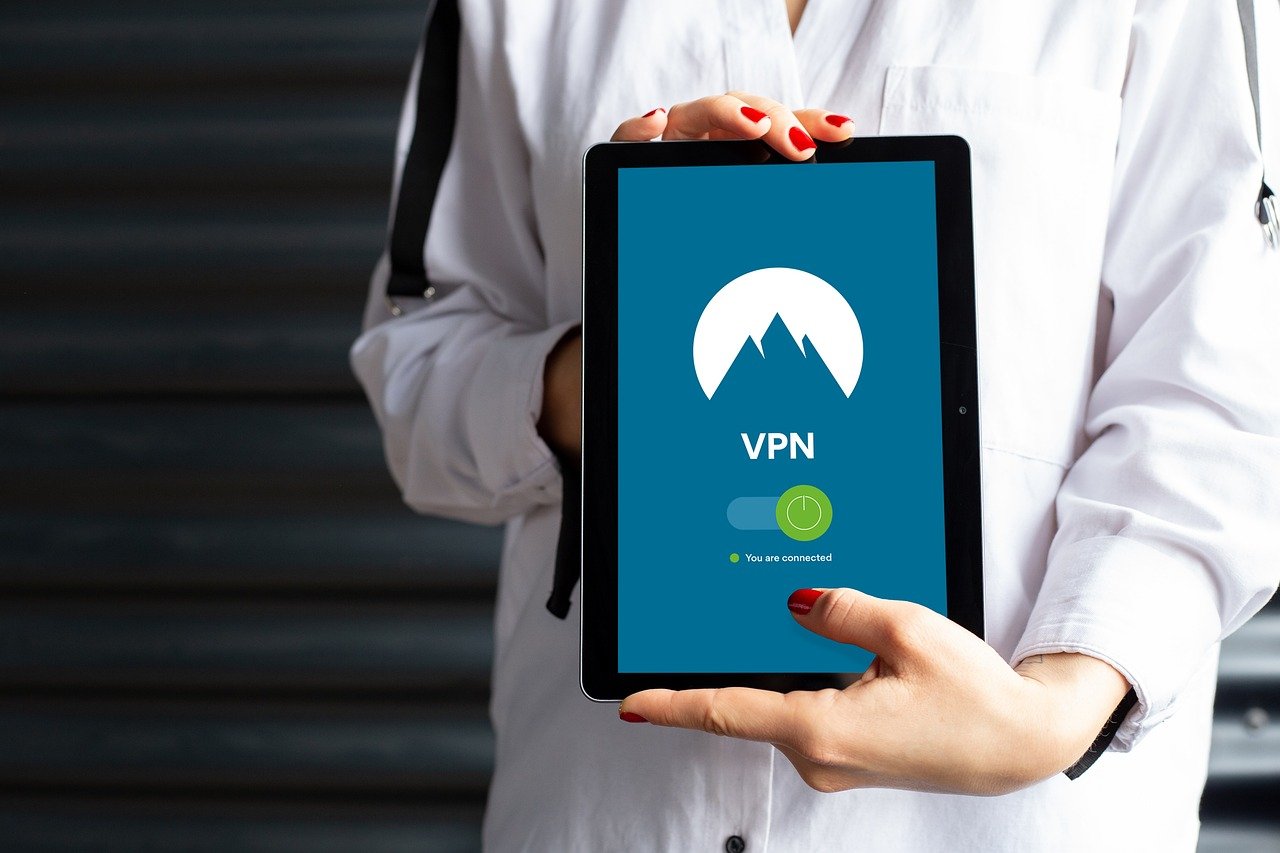
- Use a VPN on Public Wi-Fi: When using public Wi-Fi networks, use a Virtual Private Network (VPN) to encrypt your internet traffic and protect your data from eavesdropping.
Email Security and Phishing Awareness
Email is a common vector for phishing attacks, malware distribution, and other cyber threats.
- Be Suspicious of Unsolicited Emails: Exercise caution when opening emails from unknown senders, especially if they contain attachments or links.
- Verify Sender Identity: Check the sender’s email address carefully to ensure it is legitimate. Phishers often use email addresses that closely resemble legitimate ones.
- Beware of Urgent Requests: Be wary of emails that demand immediate action or threaten negative consequences if you don’t comply.
- Don’t Provide Personal Information: Never provide sensitive information like passwords, credit card numbers, or Social Security numbers in response to an email.
- Report Phishing Emails: Report suspicious emails to your email provider and to the Anti-Phishing Working Group (APWG).
- Train Employees on Phishing Awareness: Conduct regular training sessions to educate employees about phishing techniques and how to identify and avoid them.
Data Backup and Recovery
Regularly backing up your data is essential for disaster recovery and business continuity. In case of a cyberattack, hardware failure, or natural disaster, you can restore your data from a backup.
- Implement a Backup Strategy: Develop a comprehensive backup strategy that includes regular backups of critical data.
- Use Multiple Backup Methods: Employ a combination of on-site and off-site backups, such as external hard drives, cloud storage, and tape backups.
- Automate Backups: Automate your backup process to ensure that backups are performed regularly without manual intervention.
- Test Restores: Regularly test your backup and recovery procedures to ensure that you can successfully restore your data when needed.
- Encrypt Backups: Encrypt your backups to protect your data from unauthorized access in case the backup media is lost or stolen.
Mobile Device Security
Smartphones and tablets are increasingly targeted by cybercriminals. Protect your mobile devices with these measures:
- Use a Strong Passcode or Biometric Authentication: Secure your device with a strong passcode, fingerprint scanner, or facial recognition.
- Keep Your Operating System and Apps Up-to-Date: Install updates as soon as they are released to patch security vulnerabilities.
- Install a Mobile Security App: Use a reputable mobile security app to protect your device from malware, phishing, and other threats.
- Be Careful What You Download: Only download apps from trusted sources like the official app stores (Google Play Store and Apple App Store).
- Review App Permissions: Carefully review the permissions requested by apps before installing them. Only grant permissions that are necessary for the app to function.
- Enable Remote Wipe and Location Tracking: Enable remote wipe and location tracking features in case your device is lost or stolen.
- Use a Secure Wi-Fi Connection: Avoid using public Wi-Fi networks for sensitive transactions. Use a VPN when connecting to public Wi-Fi.
Conclusion
Cyber hygiene is a continuous process, not a one-time fix. By adopting and maintaining these practices, you can significantly reduce your risk of becoming a victim of cybercrime. Stay informed about emerging threats, adapt your security measures accordingly, and make cyber hygiene a fundamental part of your daily digital life. The effort invested in building good cyber hygiene habits pays dividends in terms of enhanced security, privacy, and peace of mind. Start implementing these practices today to protect your digital assets and safeguard your future.